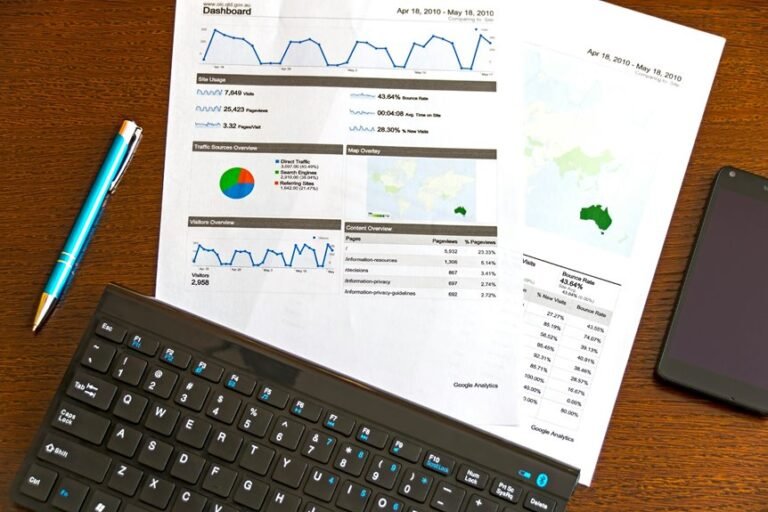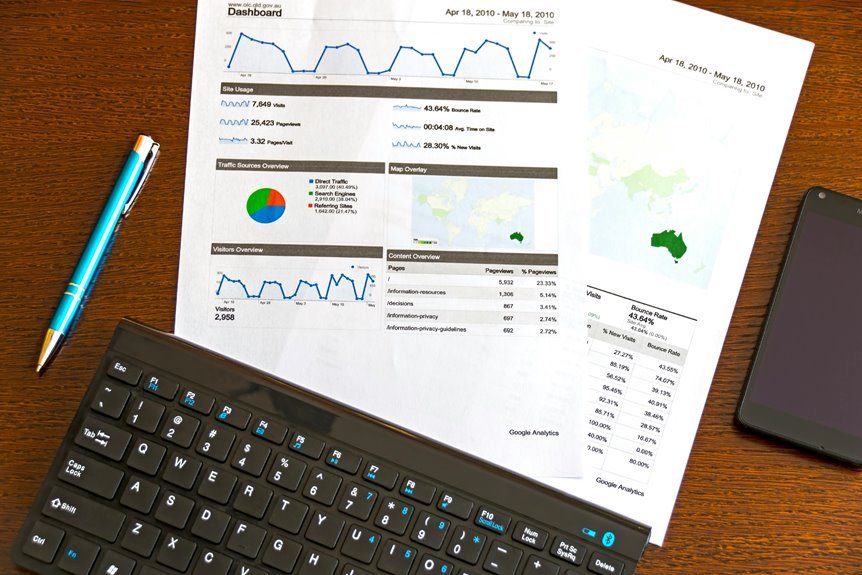
Financial Performance Dashboard: 8449861927, 8453023586, 8455203526, 8458362040, 8472578339, 8474911100

The Financial Performance Dashboard, linked to the identifiers 8449861927 through 8474911100, plays a pivotal role in guiding financial strategy within organizations. It integrates real-time data visualization, facilitating the analysis of key metrics and trends. This tool not only enhances decision-making but also supports organizational agility. Understanding its features and applications can significantly influence strategic outcomes, prompting a closer examination of its impact on financial performance management.
The Importance of Financial Performance Dashboards
Although financial performance dashboards may seem like mere tools for data visualization, they play a crucial role in enhancing decision-making processes within organizations.
Key Features of an Effective Dashboard
An effective financial performance dashboard incorporates several key features that enhance its usability and impact on decision-making.
Prioritizing data visualization, it transforms complex data into intuitive graphics, fostering user engagement.
Customization options allow users to tailor views according to individual needs, while real-time data updates ensure relevance.
Furthermore, clear metrics and actionable insights empower users to make informed financial decisions swiftly and confidently.
Leveraging Dashboards for Strategic Decision-Making
Effective use of financial performance dashboards can significantly enhance strategic decision-making within organizations.
By employing data visualization techniques, stakeholders can swiftly interpret performance metrics, identifying trends and anomalies. This enables informed analysis and fosters agility in responding to market changes.
Ultimately, leveraging dashboards empowers leaders to align resources effectively, ensuring that strategic objectives are met while maintaining organizational freedom and adaptability.
Conclusion
In conclusion, the Financial Performance Dashboard stands as both a beacon of clarity and a complex web of data interconnections. While it fosters immediate insights for informed decision-making, it simultaneously requires a nuanced understanding of financial metrics to harness its full potential. This juxtaposition of accessibility and intricacy underscores the dashboard’s role as an essential tool in navigating the ever-evolving financial landscape, enabling organizations to balance agility with strategic foresight in their pursuit of sustainable growth.