10 Kids Speech Practice Apps I’d Actually Tell a Parent Friend About

Most parents searching for speech help at home make the same mistake: they grab the first app with a cute character and call it done. That works until the kid hits a wall, loses interest in three sessions, or the parent realizes they have no idea what sound the app is even targeting. Knowing what you actually need before you download anything saves a lot of frustration.
Here is what keeps coming up when parents compare notes, in support groups, on school Facebook pages, and in conversations with SLPs who consult outside clinic hours.
1. An Actual Licensed SLP (Teletherapy First, Everything Else Second)
Start here. Apps are practice tools. They are not assessment. A licensed speech-language pathologist is the only person who can tell you which sounds your child is missing, why, and in what order to address them. Services like Expressable connect families with licensed SLPs over video, often with faster scheduling than in-person clinics. Insurance sometimes covers it. If your child has an IEP, their school SLP can also suggest specific home practice targets. Build everything else on that foundation.
See also: Reliable Tech Line 0926002640 Professional Corporate Service
2. Little Words
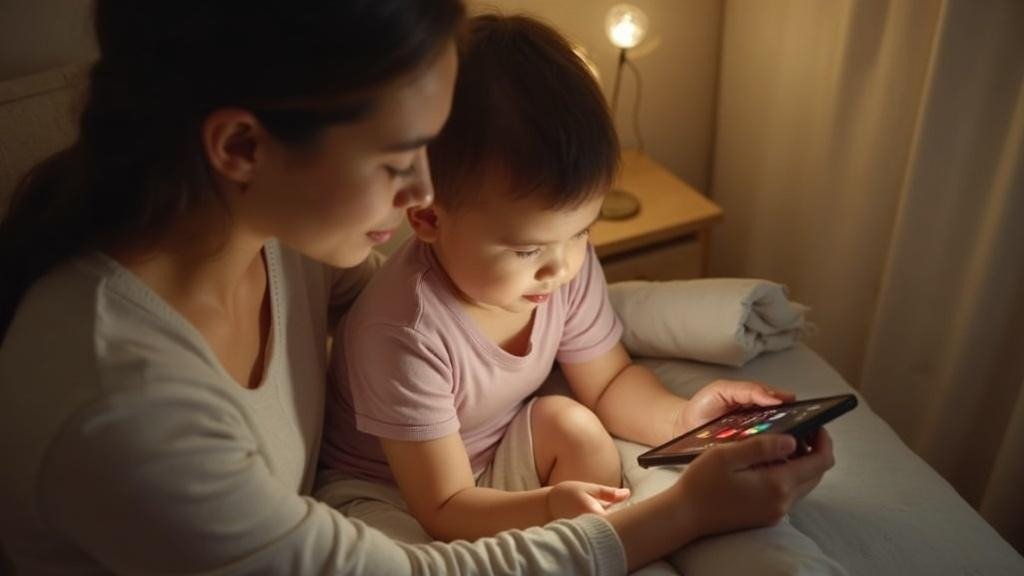
What makes this one stand out is the angle it takes. Instead of flashcard drills, a child just talks. Buddy, an AI companion built into the app, holds real back-and-forth conversations, remembers the child’s name and favorite topics, and adjusts difficulty in real time based on what the child says and how they say it. No reading required. No typing menus. The child opens the app and starts speaking.
That voice-first design matters more than it sounds. Pre-readers and kids who shut down at walls of text or long instructions can actually use it without a parent coaching every step.
Before each session, Buddy runs a quick mood check. If the child is tired or frustrated, Buddy dials back energy and pacing. Parents set target sounds, session length anywhere from 5 to 20 minutes, and energy mode. There are sensory presets for kids who overload easily. And after sessions, parents get a dashboard with progress history plus SLP-style PDF reports they can bring to an actual therapist. Encouraging-only feedback throughout: Buddy models the correct pronunciation and moves forward, never marks an answer wrong.
Built for children from age 2 through 8, including those with autism, ADHD, speech delay, and apraxia. COPPA compliant, no ads, no data sold. A free trial comes first, with the ongoing subscription managed through your device’s settings.
Not a medical device. Not a replacement for clinical care. A genuinely well-designed daily practice companion.
3. Speech Blubs
Voice-controlled and built specifically around motor speech practice, which is why it keeps coming up in apraxia and autism parent communities. Over 1,500 activities organized by theme and skill level. The app listens to the child’s voice and responds, which removes the passive-video problem most education apps have.
Monthly access runs around $14.49, the yearly plan comes to $59.99, and a one-time lifetime purchase is $99.99. The lifetime option makes it worth comparing against subscription costs if you expect to use it for more than a year.
4. Articulation Station (Little Bee Speech)
Built by speech-language pathologists with more than 1,200 target words across all the major phoneme positions. Word, phrase, sentence, and story levels. You can pick a specific sound and work through it systematically, which is exactly how SLPs structure articulation therapy in clinic.
The Pro version is available as a one-time purchase of around $59.99. That is a real advantage over monthly subscriptions if your child is working on one or two specific sounds for an extended period. Worth asking your child’s SLP which sounds to target before you start.
5. Otsimo
Otsimo builds in AI feedback and covers more than 200 exercises, with specific attention to kids with autism, apraxia, Down syndrome, and children who are minimally verbal. The interface is visual and straightforward.
Monthly pricing is roughly $6.99, or about $4.49 per month on an annual plan, with a lifetime option around $115.99. The lower monthly cost makes it one of the more accessible paid options for families testing the waters.
6. ASHA’s Free Resources and FindaPro Tool
The American Speech-Language-Hearing Association publishes free, parent-facing guides on speech development milestones and home practice strategies at asha.org. The FindaPro directory also lets you search for licensed SLPs by zip code and specialty, which is useful if you want in-person help and do not know where to start.
Free. Verified. Genuinely underused.
7. Tactus Therapy Apps
Tactus makes a suite of clinical-grade apps, each targeting a different area: vocabulary, naming, phonology, fluency, and more. Individual app prices run from roughly $9.99 to $99.99 depending on the tool. These skew toward older children and adults, but several work well for school-age kids with specific language targets. Better used with SLP guidance than independently.
8. Constant Therapy
Evidence-based and originally designed for adults post-stroke, but the underlying structure, spaced repetition, adaptive difficulty, detailed progress tracking, works for older children with language and cognitive-communication goals too. Ask an SLP before starting; this one rewards having a clear target before you log in.
9. Your Public Library’s App Collection
Underpromoted. Many library systems offer free access to apps like Hoopla and Libby, which include audiobooks children can follow along with, and some branch systems subscribe to educational platforms that include language-building games. It costs nothing to check. For building listening comprehension and vocabulary alongside articulation practice, library audio content is legitimately useful and zero cost.
10. YouTube Read-Alouds Paired With Repeat Practice
Not an app. Works anyway. Channels like StorylineOnline feature professional actors reading picture books clearly and expressively. A child who is working on a specific sound can watch a read-aloud, then practice repeating target words or sentences out loud with a parent present. Low pressure, easily paused, and free. Combine with a target word list from your child’s SLP for better results.
| Option | Best For | Approximate Cost |
| Teletherapy SLP (e.g. Expressable) | Assessment + guided treatment | Insurance or out-of-pocket |
| Little Words | Ages 2-8, conversation practice, neurodivergent kids | Free trial, then subscription |
| Speech Blubs | Apraxia, autism, motor speech | $59.99/yr or $99.99 lifetime |
| Articulation Station Pro | Specific phoneme drilling | $59.99 one-time |
| Otsimo | Autism, apraxia, non-verbal kids | $4.49-$6.99/mo |
| ASHA Resources | All families, free info + SLP finder | Free |
| Tactus Therapy | School-age, SLP-guided targets | $9.99-$99.99 per app |
| Constant Therapy | Older kids with language goals | Subscription |
| Library Apps | Vocabulary, comprehension | Free with library card |
| YouTube Read-Alouds | Listening + repeat practice | Free |
No app on this list assesses your child or replaces clinical judgment. They are practice tools, some genuinely excellent ones, that work best when a real SLP has already pointed you in the right direction.
Common Questions
Does Little Words actually work without a parent sitting next to the child the whole time?
Yes, for most kids in the target age range. The voice-first design means no reading or menu navigation, so children from about age 3 up can open the app and start a session independently. The mood check at the start and Buddy’s real-time pacing adjustments are specifically built for unsupervised use, though younger or lower-support kids may still need a warm-up minute with a parent.
Is Speech Blubs worth buying at the lifetime price versus the yearly plan?
At $99.99 lifetime versus $59.99 per year, you break even after roughly 20 months. If your child is in active motor speech practice for two or more years, which is common with apraxia, the lifetime purchase makes straightforward financial sense. For a child working on one or two sounds with a shorter timeline, the annual plan is the lower-risk option.
Can Articulation Station Pro replace what a school SLP does during pull-out sessions?
No. The app drills specific phonemes systematically, which mirrors clinic structure, but it cannot assess which sounds need work, sequence treatment across sounds, or catch compensatory errors a child develops. It is most effective as between-session practice when a real SLP has already identified the target sounds and given the family a clear focus.
Which of these options make sense for a child who is minimally verbal or not yet using words consistently?
Otsimo is the most directly built for minimally verbal children, with visual supports and exercises designed for kids with autism or Down syndrome who are not yet producing consistent speech. Little Words also accommodates very early communicators through its no-reading, conversation-based format. ASHA’s free milestone guides can help parents gauge where their child is before picking any tool.
How do I use the ASHA FindaPro directory if my insurance requires a referral first?
Start with your pediatrician. Get the referral on record, then use FindaPro at asha.org to search by zip code and filter for pediatric speech disorders. Cross-check the names against your insurance portal to confirm in-network status before booking. Teletherapy providers like Expressable also handle insurance verification on their end, which can save several phone calls.
Sources
- American Speech-Language-Hearing Association (asha.org), public information on speech development milestones and the FindaPro SLP directory
- Expressable, public pricing and service descriptions (expressable.com)
- Speech Blubs, public pricing page (speechblubs.com)
- Little Bee Speech / Articulation Station, App Store product listing and littlebeespeech.com
- Otsimo, public pricing page (otsimo.com)
- Tactus Therapy, product catalog (tactustherapy.com)
- Constant Therapy, public product page (constanttherapy.com)